

The Art of Leather Craftsmanship Product

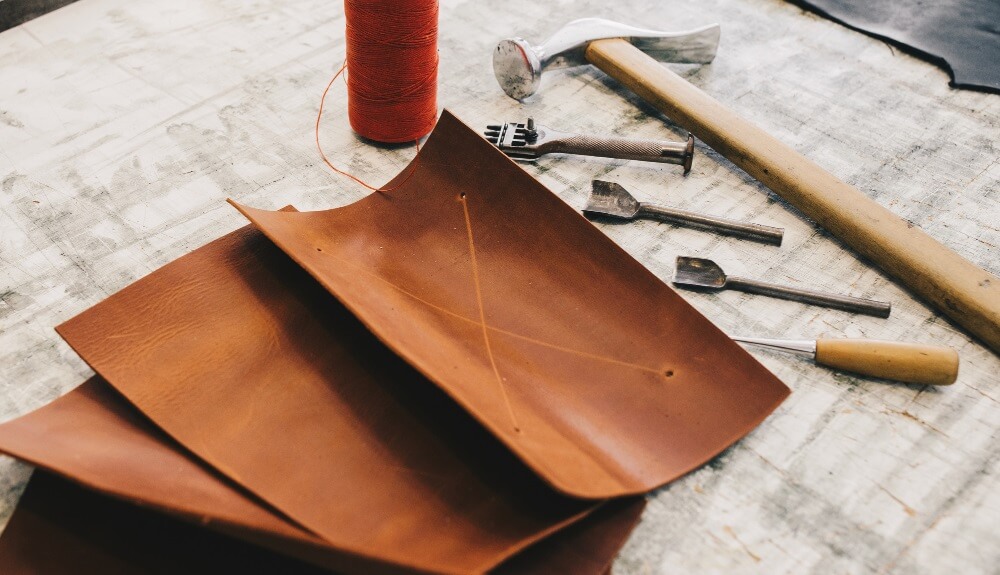
Leather has been a prized material for centuries, revered for its durability, elegance, and versatility. The process of crafting leather goods is both an art and a science, involving a delicate balance of tradition and modern techniques. From the moment raw hides are sourced to the final stitch on a product, each step plays a vital role in ensuring the finished piece is nothing short of exceptional.

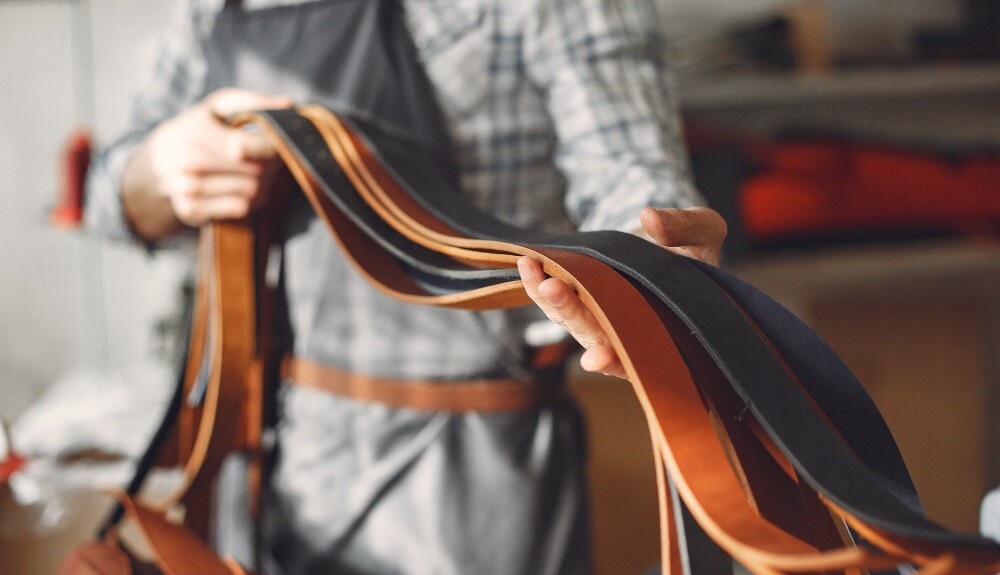
The journey begins with the careful selection of hides, often sourced from reputable farms and tanneries. Each hide must meet strict standards of quality, as imperfections can affect the final product. Skilled professionals inspect each piece, looking for the right texture, thickness, and grain to ensure it will perform well for its intended use.

Once selected, the tanning process begins. Traditionally, tanning involved using natural substances like tree bark to preserve and soften the hide, but today’s processes often combine both modern and traditional techniques. The goal is to create leather that is not only strong but also supple and resistant to wear and tear. The tanning process also imparts unique characteristics to each hide, such as color, texture, and aroma.

After tanning, the leather is cut into specific shapes based on the design requirements. At this stage, the focus is on precision. Whether crafting a glove, jacket, or other leather accessory, every piece is cut to ensure the proper fit and functionality. Expert craftsmen use sharp tools to make sure the edges are clean and the leather behaves as expected during stitching.

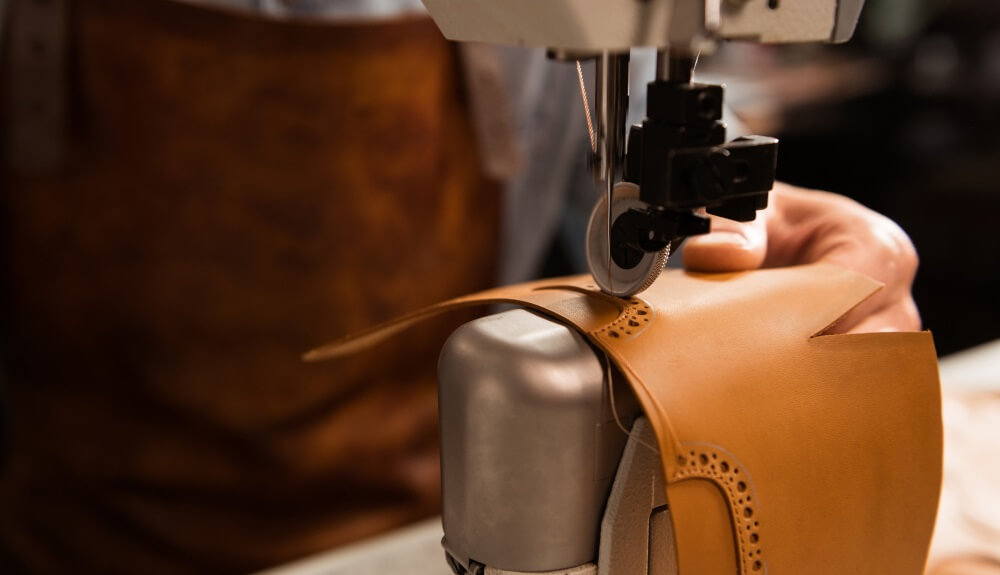
Stitching is where the artistry truly shines. Experienced leatherworkers use various techniques, such as hand-stitching or machine stitching, depending on the product. Each stitch is purposeful and done with great care to ensure both durability and aesthetic appeal. This attention to detail transforms raw material into a beautiful, functional product.

Finally, finishing touches like conditioning, polishing, and distressing are applied to enhance the leather’s look and feel. The result is a product that is not only visually stunning but built to stand the test of time. This meticulous process ensures that every leather item that leaves the workshop is a work of art, a true representation of skill and dedication.
Right Leather Gloves for Work and Safety

When it comes to protective gear, leather gloves are among the most reliable and versatile options available. Whether you’re working in construction, manufacturing, or even outdoor activities like hiking or cycling, leather gloves offer both durability and comfort. However, with so many options on the market, it can be challenging to choose the right pair for your needs. Understanding the different types of leather gloves and their features can help you make an informed decision.

Leather gloves are known for their toughness and ability to provide superior protection against abrasions, cuts, and punctures. For jobs requiring dexterity and flexibility, gloves made from soft leather like deerskin or goatskin are ideal. These leathers are both durable and flexible, allowing for greater movement and comfort without compromising safety. On the other hand, if you need more heavy-duty protection, cowhide leather is a great choice due to its sturdiness and abrasion resistance.

The fit of your gloves is just as important as the material. Ill-fitting gloves can hinder your ability to perform tasks efficiently and may even lead to discomfort or injury. Look for gloves that offer a snug fit around your fingers, palms, and wrists, but with enough room to move freely. Many work gloves feature adjustable cuffs to ensure a secure fit, which is essential for both comfort and protection.

For added protection, some leather gloves come with reinforced palms, fingers, and knuckles. These reinforcements provide extra durability in high-wear areas, making them ideal for industries like construction, welding, and gardening. If you’re working with sharp objects, such as glass or metal, gloves with additional cut-resistant liners or coatings offer added peace of mind.

In addition to protection, leather gloves also offer comfort. The natural breathability of leather helps keep your hands cool and dry, even during extended periods of use. Many gloves are designed with ergonomic features such as padded palms or finger gussets to reduce fatigue and improve grip.

Finally, don’t forget about maintenance. Leather gloves require proper care to maintain their flexibility and durability. Regularly clean and condition your gloves to prevent them from drying out or cracking. With the right pair of leather gloves, you’ll have the protection you need to get the job done safely and comfortably.

Leather Jackets: A Blend of Fashion and Function

Leather jackets are more than just a fashion statement; they are an iconic piece of clothing that has transcended trends, offering both style and functionality. Whether you’re looking for a sleek, modern design or a more rugged, classic look, a leather jacket can elevate any outfit while providing practical benefits like warmth, protection, and durability. But what makes leather jackets so timeless?

The history of the leather jacket dates back to the early 20th century when they were initially worn by pilots and military personnel for their functionality. Their ability to withstand the elements, particularly cold winds and harsh conditions, made leather jackets a go-to choice for those in demanding environments. Over time, they evolved into a fashionable garment, worn by everyone from rock stars to movie icons, solidifying their place in modern style.

One of the reasons leather jackets are so popular is their versatility. They can easily be paired with casual wear, like jeans and a t-shirt, or dressed up for a night out. Whether you’re looking for a bomber jacket for a laid-back vibe, a sleek biker jacket for an edgy look, or a classic moto jacket for an all-around versatile piece, leather jackets offer endless styling options. The rich texture and natural colors of leather only add to its appeal, giving the jacket an unmistakable charm that ages beautifully over time.

But beyond aesthetics, leather jackets are functional and practical. Leather is an excellent material for providing insulation, which makes these jackets ideal for cooler weather. In addition, the natural durability of leather means that it can withstand the wear and tear of everyday use, while still looking better with age. Leather also offers a level of protection against the elements, shielding you from wind and light rain, making it perfect for transitional seasons like fall and spring.

Caring for a leather jacket is crucial to maintaining its longevity and appearance. Regular conditioning helps to keep the leather supple, while proper cleaning techniques prevent dirt and stains from setting in. It’s also important to store your jacket in a cool, dry place, away from direct sunlight, to preserve its color and texture. With the right care, a leather jacket can last for many years, developing a unique patina that tells the story of its journey.

Ultimately, a leather jacket is more than just a piece of outerwear; it’s an investment in both style and function. With its rich history, timeless appeal, and practical benefits, a leather jacket is something that can be worn season after season, becoming a cherished part of your wardrobe. Whether you’re dressing for warmth or making a fashion statement, a leather jacket is a versatile piece that offers a perfect blend of fashion and function.

Need More Info? Ask Here!

Get In Touch With us

Reach out and let’s start the conversation.
Email Addres

hmaskinhide89@gmail.com

Address

ST-19 BZR Sultan Pura Hide market Lahore

Request a Quote